
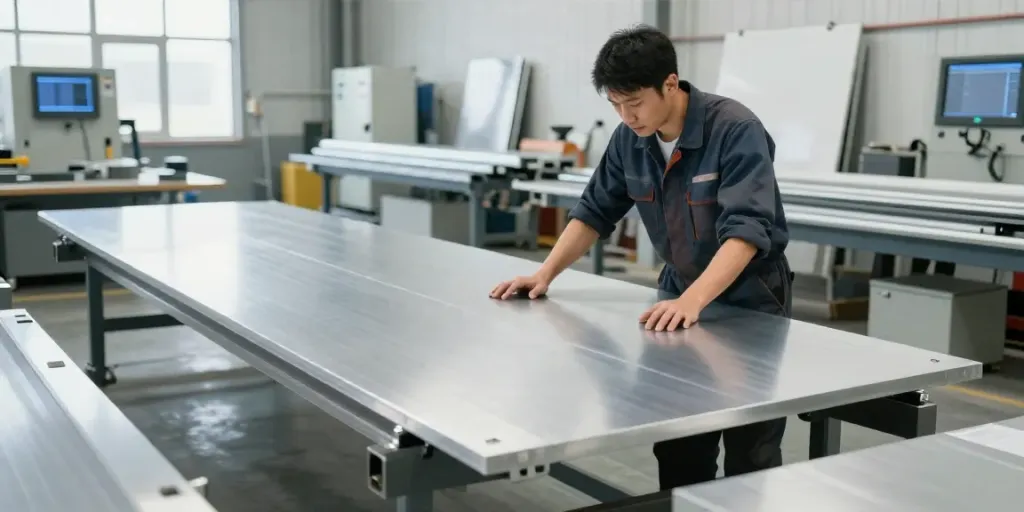
Understanding the Benefits of 3103 Aluminum Sheets for Local Businesses
The versatility and performance of 3103 aluminum sheet make it an excellent choice for various applications in local businesses, from construction to manufacturing. Homeowners, property managers, and contractors benefit greatly from using this specific alloy due to its unique properties, which include reliable strength, corrosion resistance, and excellent formability. Understanding the nuances and applications of 3103 aluminum sheets can empower local businesses to make informed material choices, enhancing both the quality and longevity of their projects.
What Makes 3103 Aluminum Sheet Unique?
Aluminum alloy 3103 is renowned for its remarkable balance of properties, making it particularly well-suited for a wide range of applications in the local industry. This medium-strength alloy, primarily composed of aluminum and manganese, provides excellent corrosion resistance and formability, attributes valued across various sectors. Generally supplied in H14 temper, it combines half-hard characteristics with easy machinability and weldability, ensuring seamless integration into different projects. Its resistance to atmospheric corrosion makes it an ideal choice for applications requiring durability in challenging environments.
Common Applications for 3103 Aluminum Sheets
3103 aluminum sheets are widely used in an array of industries, including:
- Construction: Ideal for roofing, siding, and decorative finishes.
- Manufacturing: Frequently used in the production of HVAC components and appliances.
- Transportation: Optimal for components in trailers and other transport vehicles.
- Food and Beverage: Employed in containers and packaging due to its non-toxic nature.
Understanding where to implement 3103 aluminum can greatly enhance structure and longevity, making it a preferred option among local contractors.
How 3103 Aluminum Sheets Compare to Other Alloys
In comparison to other aluminum alloys such as 6061 and 5052, 3103 offers unique advantages. While 6061 is stronger and often used in structural applications, 3103's formability makes it suitable for intricate designs. Additionally, when compared to 5052, which provides excellent corrosion resistance, 3103's balance between strength and workability makes it a versatile option for a broad range of projects. Understanding these differences can help businesses select the right material based on project requirements and expected conditions.
Choosing the Right Aluminum Provider for Your Needs
Finding a reliable aluminum supplier is crucial for accessing high-quality materials like 3103 aluminum sheets. When selecting a local provider, consider their product offerings, customer service approach, and overall reputation in the industry. A reputable aluminum manufacturer will provide a range of options and knowledgeable insights into product performance, ensuring that the materials fit your specific needs.
Key Factors to Consider in Local Aluminum Suppliers
When evaluating potential aluminum suppliers, keep the following factors in mind:
- Certifications: Ensure the supplier possesses relevant certifications such as ISO and OHSAS for quality assurance.
- Product Range: Look for suppliers that stock various aluminum alloys, including customized sizing options.
- Customer Support: Opt for companies that offer solid customer support and are willing to provide technical assistance.
Choosing a provider with these attributes not only ensures quality material but can also streamline project timelines, reducing hassle and potential delays.
Evaluating Customer Reviews and Testimonials
One of the best ways to gauge the reliability of an aluminum supplier is by examining customer reviews and testimonials. Look for feedback that highlights their product quality, delivery timeliness, and customer service experience. High user ratings or repeat business often indicate a supplier’s credibility and ability to meet customer needs effectively.
Understanding Certifications and Quality Standards
It’s essential to understand the certifications that relate to aluminum products, like ISO 14001:2004 for environmental management. Quality standards ensure products are manufactured under strict guidelines, contributing to the durability and overall functionality of the materials you choose. Always inquire about these certifications to safeguard against subpar products and ensure your projects meet local and national regulations.
Costs and Pricing Breakdown for 3103 Aluminum Sheets
Pricing for 3103 aluminum sheets can vary based on several factors, including size, thickness, and quantity ordered. Understanding these aspects can aid in effective budgeting for your projects. As the aluminum industry evolves, pricing strategies will also change, and being informed on current market trends can vastly benefit local service providers.
Average Prices in 2026: Budgeting for Your Project
As of 2026, prices for 3103 aluminum sheets typically range from $3.00 to $5.00 per square foot depending on the thickness and specific requirements. Larger orders may qualify for bulk discounts, which can significantly impact project budgets. By anticipating costs and exploring your options early, you can make more informed purchasing decisions.
Low MOQ Offers and Buyer's Tips
Some suppliers offer low Minimum Order Quantities (MOQ), making it easier for small businesses or individual projects to source materials without committing to large investments. When negotiating orders, be sure to ask about MOQ policies, as they can vary significantly across suppliers. Additionally, consider purchasing from local suppliers to reduce shipping costs and lead times.
Factors Influencing Aluminum Sheet Price Variations
Several factors contribute to price variations for aluminum sheets, including market demand, manufacturing costs, and geopolitical situations. Changes in supply chain elements, such as material shortages or transportation costs, can also affect your pricing. As a buyer, staying informed on these trends can give you leverage during negotiations and help you secure the best possible rates for your projects.
Installation and Maintenance of 3103 Aluminum Sheets
Proper installation and maintenance of 3103 aluminum sheets are vital to prolonging their lifespan and ensuring they perform as expected. Whether for home improvement projects or industrial applications, understanding how to properly handle and maintain these sheets can result in significant cost savings in the future.
Steps for Proper Installation
For successful installation, follow these steps:
- Gather Materials: Ensure you have all tools and materials necessary for installation, including safety gear.
- Prepare the Site: Clear the installation area of debris and ensure surfaces are clean.
- Measure and Cut: Take accurate measurements followed by cutting sheets to the specified size, ensuring your cuts are straight and smooth.
- Secure Fastenings: Use appropriate fasteners and techniques to secure sheets based on the application.
- Inspect for Gaps: After installation, check for any gaps or misalignments, addressing these areas as needed.
Following these steps can simplify the installation process, ensuring that the final result is sturdy and aesthetically appealing.
Maintenance Tips to Ensure Longevity
To maintain the appearance and functionality of your 3103 aluminum sheets:
- Regularly clean with mild soap and water to remove dirt or debris.
- Inspect for scratches or dents and address these promptly to prevent corrosion.
- Avoid exposing sheets to harsh chemicals that could lead to deterioration.
By adhering to these maintenance best practices, you can help ensure the longevity and performance of your aluminum products, thereby maximizing your investment.
DIY vs Professional Installation: What to Know
Deciding between DIY installation and hiring professionals can significantly affect the outcome and cost of your project. While DIY can save money, it’s critical to assess your skills and available time against project complexity. Hiring professionals can provide peace of mind, ensuring compliance with local building codes and offering warranties on their work. Considerations such as project size, timelines, and risk factors should influence your decision on which route to take.
Frequently Asked Questions about 3103 Aluminum Sheets
What industries commonly use 3103 aluminum sheets?
3103 aluminum sheets find extensive application in industries such as construction, transportation, HVAC, and food packaging. Their durability and corrosion-resistant properties make them ideal across these sectors, fulfilling various functions from structural components to decorative elements.
How does 3103 compare to 6061 aluminum?
While 3103 aluminum is more malleable and easier to work with, 6061 offers higher strength and is heat-treatable. 6061 is often chosen for projects requiring higher load-bearing capabilities, whereas 3103 is selected for applications focused on formability and corrosion resistance.
What is the warranty and guarantee situation for aluminum products?
Aluminum product warranties can vary by manufacturer. Typically, high-quality aluminum suppliers will offer some form of guarantee on their products, ensuring they meet specific performance standards. Always inquire about warranty details before purchasing, as this can protect your investment and provide peace of mind.